
| The CRYPT Mag |

We all think about chocolate in some form at least once a week, many of us at least once a day, especially around Christmas and Easter. We are constantly bombarded with newspaper headlines regarding obesity, and cholesterol - so, is that rather naughty but oh so nice substance good for us?
Read on and I shall endeavour to give you some facts relating to chocolate, it`s origins and production, together with good news for all you chocolate eaters.
Chocolate in the form of a luxury drink was consumed in large quantities by the Aztecs: the drink was described as 'finely ground, soft, foamy, reddish, bitter with chilli water, aromatic flowers, vanilla and wild bee honey'. Nothing like the chocolate we drink or eat today.
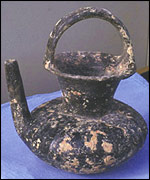
US scientists have discovered residues of cocoa - from which chocolate is made - in pots dating to 600 BC. The Mayans were well-known chocoholics and the latest discovery of their enthusiasm for liquid chocolate comes from jugs belonging to a collection of well-preserved spouted ceramic vessels found at the Maya archaeological site at Colha, in northern Belize, in Central America. It is possible that the liquid may have been poured back and forth from jug to jug to produce the froth that was considered by the Maya and the Aztecs to be the best part of a chocolate drink. The recipe is nothing like the chocolate taste we know today.
Chocolate was not eaten as an occasional snack or used as a sweet ingredient in puddings. Instead, it was consumed with most meals, usually mixed with another ingredient, such as water, maize, chilli and/or honey. The jugs would have been used to pour the liquid from the spout, in the same way we use a teapot today. Documents written at the time of the Spanish Conquest suggest liquid chocolate was agitated to produce a foam.
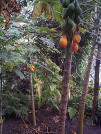
The dry climate meant the Aztecs were unable to grow cocoa trees, and had to obtain supplies of cocoa beans by trading with provinces conquered by the Aztecs in wars. It is made from the seeds of the tropical cacao tree, Theobroma cacao. The cacao tree was named by the 17th century Swedish naturalist, Linnaeus. The Greek term theobroma means literally "food of the gods". Chocolate has also been called the food of the devil, probably because it is too nice.
Cacao beans were used by the Aztecs to prepare to a hot, frothy beverage with stimulant and restorative properties. Chocolate itself was reserved for warriors, nobility and priests. The Aztecs esteemed its reputed ability to confer wisdom and vitality. Taken fermented as a drink, chocolate was also used in religious ceremonies. The sacred concoction was associated with Xochiquetzal, the goddess of fertility. Emperor Montezuma allegedly drank 50 goblets a day. Aztec taxation was levied in cacao beans. 100 cacao beans could buy a slave. 12 cacao beans bought the services of courtesan.

The Aztecs created a powerful empire, conquering Mexico and founding a great city in the Valley of Mexico in 1325 called Tenochtitlan. Taxes in the form of food, cloth and luxury items such as cocoa beans flowed into Tenochtitlan. The Aztecs were superstitious: they had many gods and believed that their world was constantly threatened by catastrophe. One god, Quetzalcoatl, creator god and provider of agriculture, was particularly associated with cocoa beans. Great temples were built to honour him in Tenochtitlan; Moctezuma, Emperor of Mexico and ruler of the Aztecs in the early 16th century particularly revered him. Quetzalcoatl is further linked with the story of cocoa and chocolate. An old Mexican Indian myth explains that he was forced to leave the country by a chief god, but was lovingly remembered by his devoted worshippers, who hoped he would return. Until then they still had his legacy - the cocoa tree. The voyage which led Don Hernan Cortes to discover Mexico and the Aztec civilisation began in 1517 when he set sail from Cuba with 11 ships and 600 men, all seeking fame and fortune in the 'New World'. Landing on the Mexican coast near Veracruz, he decided to make his way to Tenochtitlan to see for himself the famed riches of Emperor Moctezuma and the Aztec empire.
When Cortes, arrived in 1517 with his fleet of galleons, the Aztecs thought that he was Quetzalcoatl returning before they realised he was a cruel conqueror. It was Moctezuma who introduced Don Cortes to his favourite drink, 'chocolatl' - served in a golden goblet. Moctezuma is said to have consumed several goblets of 'chocolatl' before entering his harem, leading to the belief that it had aphrodisiac properties.
In 1521 Tenochtitlan and its culture were destroyed by the Spanish invaders, who later rebuilt it and renamed it Mexico City. Tenochtitlan`s fall marked the end of the Aztec civilisation.
Cortes was made Captain General and Governor of Mexico. When he returned to Spain in 1528 he loaded his galleons with cocoa beans and equipment for making the chocolate drink. Soon 'chocolate' became a fashionable drink enjoyed by the rich in Spain, but it took nearly a century for the news of cocoa and chocolate to spread across Europe, as the Spanish kept it a closely guarded secret.
Cocoa beans were in short supply, so for nearly a century the special chocolate drink recipe was closely guarded. English and Dutch sailors, who found cocoa beans in the Spanish 'treasure' ships captured as they returned from the New World, failed to recognise their importance. The precious beans were thrown overboard by angry sailors reputed to have thought them 'sheep's droppings'.
It was Cortes who first realised the commercial value of the beans. Once Cortes had provided the Spanish with a supply of cocoa beans and the equipment to make the chocolate drink, a Spanish version of the recipe was devised. Monks in monasteries, known for their pharmaceutical skills, were chosen to process the beans and perfect the drink to Spanish tastes. Cinnamon, nutmeg and sugar were added, the chilli pepper was omitted and it was discovered that chocolate tasted even better served hot.
Christopher Columbus is said to have brought the first cocoa beans back to Europe from his visits to the 'New World'. However, the many other treasures on board his galleons were far more exciting, and the humble cocoa beans were neglected.
An Italian traveller, Francesco Carletti, was the first to break the Spanish monopoly. He had visited Central America and seen how the Indians prepared the cocoa beans to make the drink, and by 1606 chocolate was well established in Italy. The secret of chocolate was taken to France in 1615, when Anne, daughter of Philip II of Spain, married King Louis XIII of France. The French court enthusiastically adopted this new exotic drink, which was considered to have medicinal benefits as well as being a nourishing food. The supply of cocoa beans to the French market greatly increased after 1684, when France conquered Cuba and Haiti and set up its own cocoa plantations there.
In the 17th century, the Dutch, who were great navigators, broke Spain's monopoly of cocoa when they captured Curacao. They not only brought cocoa beans from America to Holland, where cocoa was greatly acclaimed and recommended by doctors as a cure for almost every ailment, but also enabled the trade in cocoa beans to spread.
Chocolate probably reached Germany in 1646, brought back by visitors to Italy. The secret of the aromatic chocolate-flavoured drinks finally reached England from France in the 1650s when they became very popular at the court of King Charles II.
Up until this point all chocolate recipes were based on plain chocolate. It was an English doctor, Sir Hans Sloane, who - after travelling in South America - focused on cacao and food values, bringing a milk chocolate recipe back to England.
Cocoa trees need specific climatic conditions to thrive. As the popularity of chocolate grew, so the number of cocoa growing countries in the world increased. Cocoa plantations were started in the West Indies, the Far East and Africa, and the price of cocoa beans gradually began to fall, as greater quantities came onto the market. When chocolate finally reached England in the 1650s, the high import duties on cocoa beans meant it was a drink only for the wealthy. Chocolate cost the equivalent of 50-75 pence a pound (approximately 400g), when pound sterling was worth considerably more than it is today.
Gradually chocolate became more freely available. In 1657, London's first Chocolate House was opened by a Frenchman, who produced the first advertisement for the chocolate drink to be seen in London:
"In Bishopgate St, in Queen's Head Alley, at a Frenchman's house, is an excellent West Indian drink called Chocolate to be sold, where you may have it ready at any time and also unmade at reasonable rates."
Fashionable chocolate houses were soon opened where the people could meet friends and enjoy various rich chocolate drinks, many of which were rather bitter to taste, while discussing the serious political, social and business affairs of the day or gossipping.
Samuel Pepys, the famous diarist, wrote of his visits to chocolate houses:
"Went to Mr Bland's and there drank my morning draft of chocollatte."
The most famous one was White's Chocolate House in the fashionable St James Street, opened in 1693 by Frances White, an Italian immigrant. The chocolate drinks, served along with ale, beer, snacks and coffee, would have been made from blocks of solid cocoa, probably imported from Spain, and a pressed cake from which the drink could be made at home was also sold. Around 1700 the English improved the drink by adding milk. By the end of the 18th century London's chocolate houses began to disappear, many of the more fashionable ones becoming smart gentlemen's clubs. White's Chocolate House is to this day an exclusive gentlemen's club in St James', London.
Significant reductions in import duties were made in 1853 and, with the Industrial revolution making transport easier, chocolate became more available to the populous. As more people could afford to drink chocolate, interest in its manufacture grew. Some of the earliest cocoa makers were apothecaries (early chemists) who became interested because of the supposed medicinal properties of cocoa. They had the skills and equipment necessary to heat, measure and blend the ingredients. Two well-known British manufacturers of chocolate, Fry's of Bristol and Terry's of York, were founded by apothecaries. Other manufacturers became involved in cocoa making through the grocery trade. John Cadbury began by dealing in tea and coffee in his Birmingham shop, while Rowntree's of York was founded by branching out from the family grocery business. Early cocoa and drinking chocolates were balanced with potato starch and sago flour to counter the high cocoa butter content. Other ingredients were added to give healthy properties.
The Cadbury family were closely involved in the evolution of drinking chocolate. From his grocery shop in Birmingham, where he sold mainly tea and coffee, John Cadbury started preparing cocoa and drinking chocolate, using cocoa beans imported from South and Central America and the West Indies. He experimented with a mortar and pestle to produce a range of cocoa and drinking chocolates with added sugar. Chocolate was exclusively for drinking until early Victorian times, when a technique was perfected for making solid 'eating' chocolate.
By 1831 the cocoa and drinking chocolate side of the business had expanded, so he rented a small factory in Crooked Lane not far from his shop and became a 'manufacturer of drinking chocolate and cocoa'. The earliest preserved price list of 1842 shows that John Cadbury sold sixteen lines of drinking chocolate and cocoa in cake and powder forms. Customers would scrape a little off the block and mix it with hot milk or water.
A solid chocolate for eating was introduced by John Cadbury in 1849, which by today's standards wouldn't be considered very palatable. In 1866 George Cadbury (John 's son) brought to England a press developed in Holland by Van Houten. The press changed the face of cocoa and chocolate production, as it was designed to remove some of the cocoa butter, enabling a less rich and more palatable drink to be produced. There was no longer any need to add the various types of flour and Cadbury's new cocoa essence was advertised as 'Absolutely pure...therefore Best'. The consequent availability of cocoa butter led to the development of the smooth creamy chocolate we know today.

UK food laws are quite specific about what can and cannot be called 'chocolate'. It is any product that is obtained from cocoa nibs, cocoa mass, cocoa, fat-reduced cocoa or any combination of two or more of these ingredients, with or without extracted cocoa butter and sucrose. Chocolate must contain not less than 35% total dry cocoa solids and not less that 18% cocoa butter. It is the cocoa solids that give the chocolate its rich flavour and the amounts included in the recipe vary with different brands, giving them their own characteristic taste.
There is another range of products popularly referred to as 'cooking chocolates', many of which in fact should be called 'chocolate-flavoured cake coverings' because they do not contain cocoa butter. Vegetable fats are used, altering their texture and also their melting properties. Chocolate is a recipe product and different traditions and tastes have developed in different countries of the world. Plain chocolate is the most popular on the continent and their chocolate has a higher level of cocoa solids giving it a much stronger flavour. Milk chocolate is the preferred choice in the UK, while the Americans favour dark chocolate with the smoky flavours of South American beans. Another important difference between the recipe traditions of continental and UK chocolates is the kind of milk used. Continental manufacturers use dried milk powder, often mixed with whey powder, while in the UK the very best milk chocolate is made with fresh milk.
Storage of chocolate at all stages is vital. After production, in the trade and at home, chocolate should be kept in cool, dry conditions so that the consumers can enjoy the best flavour and texture.
In Britain we eat more chocolate per person than anywhere else in the world - around 9kg each a year! - and our annual expenditure on chocolate is over £5 billion. Ten percent of this is spent at Easter with over 80 million chocolate Easter eggs sold each year. In addition to this, we munch our way through over 200 million Cadbury's Creme Eggs - that's an average of three per person!

A recent report has revealed that our love affair with chocolate has risen steadily over the last ten years, but it seems that certain areas eat more than others. In Wales , for example, a person spends almost twice as much per week on it than the average Londoner. Although milk chocolate bars remain our every-day favourites, there has also been a rise in chocolate awareness, and more and more people are starting to opt for quality dark chocolate instead. Good quality dark chocolate (containing at least fifty percent cocoa solids) can be fairly hard to come-by; you are certainly unlikely to find it in your local newsagents alongside the usual milk chocolate varieties. But it is widely available online, and even the very best luxury chocolate won't break the bank.
Whether you want a luxury chocolate bar, or a box of gourmet handmade Belgian truffles, you should be able to find what you are looking for on the internet. As a rule, online chocolate shops have a better selection than even specialist high-street chocolatiers because they do not have the same space restraints. And because they have fewer overheads, online prices tend to be better too. Another advantage of shopping online is that you can get your chocolate gift-wrapped and sent directly to someone else, usually with next-day delivery if required. Perfect for those last-minute birthday or anniversary presents! Within this piece you will find explanations of the different types and varieties of chocolate, where it comes from, how it is made and where you can buy it. So, if your taste buds are ready...chocs away!!
The celebrated Italian libertine Giacomo Casanova (1725-1798) took chocolate before bedding his conquests. This was on account of chocolate's reputation as a subtle aphrodisiac. More recently, a study of 8000 male Harvard graduates showed that chocaholics lived longer than abstainers. Their longevity may be explained by the high polyphenol levels in chocolate. Polyphenols reduce the oxidation of low-density lipoproteins and thereby protect against heart disease.
Chocolate as we know it today dates to the inspired addition of cocoa butter by Rodolphe Lindt in 1879. The advantage of cocoa butter is that its addition to chocolate sets a bar so that it will readily snap and then melt on the tongue. Cocoa butter begins to soften at around 75 F; it melts at around 97 F.
Today, chocolate is legal and readily available over the counter. Some 50% of women reportedly claim to prefer chocolate to sex, though this response may depend on the interviewer. More than 300 different constituent compounds in chocolate have been identified. Chocolate clearly delivers far more than a brief sugar high. Yet its cocktail of psychochemical effects in the central nervous system are poorly understood. So how does it work?
Chocolate contains small quantities of anandamide, an endogenous cannabinoid found in the brain. Sceptics claim one would need to consume several pounds of chocolate to gain any very noticeable psychoactive effects; and eat a lot more to get fully stoned. Yet it's worth noting that N-oleolethanolamine and N-linoleoylethanolamine, two structural cousins of anandamide present in chocolate, both inhibit the metabolism of anandamide. It has been speculated that they promote and prolong the feeling of well-being induced by anandamide.
Chocolate contains caffeine. But the caffeine is present only in modest quantities. It is easily obtained from other sources.
Chocolate's theobromine content may contribute to its subtle but distinctive profile.
Chocolate also contains tryptophan. Tryptophan is an essential amino acid. It is the rate-limiting step in the production of the mood-modulating neurotransmitter serotonin. Enhanced serotonin function typically diminishes anxiety.
Like other palatable sweet foods, consumption of chocolate triggers the release of endorphins, the body's endogenous opiates. Enhanced endorphin-release reduces the chocolate-eater's sensitivity to pain. Endorphins probably contribute to the warm inner glow induced in susceptible chocaholics.
Cacao and chocolate bars contain a group of neuroactive alkaloids known as tetrahydro-beta-carbolines. Tetrahydro-beta-carbolines are also found in beer, and wine and have been linked to alcoholism. Perhaps chocolate's key ingredient is its phenylethylamine "love-chemical". Yet the role of the "chocolate amphetamine" is disputed. Phenylethylamine is itself a naturally occurring trace amine in the brain. Phenylethylamine releases dopamine in the pleasure-centres. Taken in unnaturally high doses, phenylethylamine can produce stereotyped behaviour more prominently even than amphetamine. It helps mediate feelings of attraction, excitement, giddiness, apprehension and euphoria.
Basically, chocolate can help you live longer, help your relationship along, can give you a very good happy feeling, and contains healthy ingredients. It also contains iron and magnesium, and can help prevent heart attacks, and clogging of the arteries. Beware though, it can be addictive!
On surfing the internet for all this information on all things regarding chocolate, I came across many interesting facts and items. The strangest flavour of chocolate I spotted was liquorice and aniseed. I also found these `interesting` receipes for sandwiches containing chocolate. I can`t recommend many of them, but some sound interesting enough to try once.
1. Chocolate and pickled onion toastie
What's in it? Pieces of milk chocolate, Pickled onions, Tomato ketchup
Don't be scared if lots of steam comes out of your sandwich toaster when making this. I was sober when I first cooked this up. It tastes nicer than it sounds.
Bread Type? Any - toasted.
2. Bread and Chocolate
What's in it? A flat bar of your favorite milk chocolate
What should we know? I learned this one from one of my wife's roommates in College who was from Spain. From then on everyone who saw me put a chocolate bar between two pieces of French bread looked at me as if I were nuts. Years later, an office mate who grew up in France told me that a chocolate bar and french bread was the schoolchild's afternoon snack of choice when she was in France. So when people laugh at you for eating a chocolate sandwich you can get all snooty and say, "It's a European thing. You wouldn't understand." Ha.
Bread Type? Fresh French Bread (sourdough is a nice twist.)
3. PB&H
What's in it? Extra crunchy peanut butter and chocolate hazelnut spread!
What should we know? It makes a great afternoon snack! Have a glass of cold milk nearby!
Bread Type? thick toast bread
4. Don't knock it till you try it chocolate biscuit sandwich
What's in it? Butter, Plain (Dark) Chocolate Digestives
What should we know? Squash the sandwich as flat as you can before ingestion.
Bread Type? White, thick cut
5. Hot Sex on Toast
What's in it? Toast the bread, butter quickly while still hot and add a seperated 4 finger Kit-Kat (and optional 5th finger for purists). Add top slice and allow chocolate to melt slightly. Enjoy.
What should we know? This will keep you going till lunch
Bread Type? Thick white toastie bread
6. Chocolate and Cheese Toastie!
What's in it? Apply Chocolate spread on each slice, then cover the slices with cheese. (real cheese, not processed!) Then place in a sandwich toaster with a little butter on the outside for that extra tasty crispiness which also prevents the toastie from sticking! Serve with chilli Sauce if desired.
What should we know? Perfect drink to go with it? Try Ribena or if you REALLY want a taste sensation from heaven, then try it with a glass of ice-cold Banana juice! FANTASTIC!!!! I know it sounds weird, but hey. YOU'RE the ones looking here for more things to try. If you don't like it, then pass it on! There is actually a SCIENTIFIC study proving that these tastes are compatibly palatable, believe it or not! enjoy! ;)
Bread Type? Any sliced bread! (toasted)
7. the sandwich with no name
What's in it? Chocolate,cheese,chillies
What should we know? chillies and chocolate are the ultimate in munchies after one too many pints
Bread Type? nice bread (toasted)
8. Sweet and Yummy
What's in it? Banana, Peanut butter, chocolate spread, teaspoon of honey. Toasted! Yum!
What should we know? Try it before you knock it!
Bread Type? White Bread (toasted)
9. banana sandwich plus
What's in it? Banana, chocolate spread, smooth peanut butter.
What should we know? Spread peanut butter on one slice, chocolate spread on the other, and fill with sliced banana. No butter/margarine needed. Delicious as it is, but might be even better in a toastie..
Bread Type? white, medium sliced
10. banana and chocolate toastie
What's in it? banana - sliced thinly,chocolate spread - spread thickly with cornflakes (or choco flakes)
What should we know? MUST BE TOASTED!!! the best way to do this is in one of those toasted sandwich machines, but if doing that then don't put too much banana in as the banana drips out everywhere and it's really hard to get off.
Bread Type? white (toasted)
11. Fluff Your Nuts!
What's in it? hazelnut and chocolate spread, marshmallow fluff (same as marshmallow cream)
What should we know? Apply generous chocolaye spread to one slice, generous fluff to the other. Smush together and enjoy while talking on the phone! Variations include added bananas, a sprinkle of grand marnier, or chocolate pieces. VERY scrumptious.
Bread Type? White Bread
12. The fatty maker
What's in it? lots of melted cheese, ham, tomato ketchup, melted chocolate
What should we know? I love this sandwich
Bread Type? french olive stuffed baguette with melted cheese drizzled in oil (toasted)
13. Snowman Surprise
What's in it? Raspberry ripple icecream, white chocolate spread
What should we know? For the white chocolate spread I'd suggest going to your nearest ASDA and buying their own brand of white chocolate, it is the most heavenly chocolate spread in the whole world! Once you have obtained your white chocolate spread, spread it on your two pieces of white bread. For the icecream part don't scoop any icecream out of a tub. well..you could but it isn't the best or most convenient way. I suggest buying little tubs of raspberry ripple (or your own preference of icecream) which can be bought from any good supermarket. Y'know, like the little tubs that get given out at the theatre during the break. So, once you get your icecream tub, open it, hold it upside down above the slice of bread and simply squeeze it out by pressing the bottom of the tub with your thumbs. Place other slice on top and voila. # Snowman Surprise! It's quick and easy to make!
Bread Type? White
14. The O'Shea
What's in it? 4 Slices Mature Cheddar, 1/2 Sliced Granny Smith Apple, Honey, Milk Chocolate
What should we know? Invented Circa 1955 by Theresa O'Shea. Best served as an open sandwich, so that one can savour the various filling combos.. Mmmmm
Bread Type? Thick Sliced White Bloomer
15. mud with worms
What's in it? chocolate spread and alfalfa sprouts
What should we know? make sure the alfalfa sprouts are dry
Bread Type? any
16. chocolate and chips
What's in it? You buy one of those bars that has all the little rectangles that break apart, a can of Pringles potato chips, and some bread. Just break up the candy over the bottom slice of bread, drop on a few Pringles chips, then mash them down a little using the top slice. It's actually quite good.
What should we know? My friend invented this, and rumor has it that he now uses buttered toast instead of plain white bread. just a rumor.
Bread Type? white
17. the super deluxe maximum, to the max ice mac cream sandwich of all sandwiches
What's in it? rasberry ripple ice cream with marshmallows and grated white chocolate
What should we know? not too much ice cream because it will melt over the sides
Bread Type? slightly toasted white bread (toasted)
18. The stoned tooth chiller
What's in it? Discovered whilst stoned., Chocolate ice cream, Chocolate biscuits, Butter.
Allow the ice cream to soften slightly if it is hard to spread. Spread liberally on one side of the bread. Butter optional on the other slice., Scrunch up the choccy biccies and sprinkle onto the ice cream., Squish the sarnie together., , Jam/honey/chocolate sauce optional.
What should we know? When not stoned, still quite tasty.
Bread Type? any white bread
19. Peanut Chocolate Dip
What's in it? Peanut Butter, Banana, Chocolate Milk or melted chocolate, Cream Style Honey
What should we know? Put honey on one slice after buttering. Put peanut butter on other slice after buttering. Slice banana in half lengthwise and place between the slices. Dip sandwich in either chocolate mix or melted chocolate
Bread Type? White
20. Cheese Kit
What's in it? 4 Kit Kat Fingers and Cheese Spread with tomato sauce
What should we know? not too much sauce, ruins the chocolate taste
Bread Type? Pannini
21. Bronwen Bonanza
What's in it? Sliced banana, Chocolate Spread, Jam , Cheese (mild cheddar)
What should we know? I adapted this recipe from an old friend's concoction, and found that it's brilliant if you have a sugar/chocolate craving or are hungry/hungover or want some energy! The cheese adds a nice savoury twist - you can use any cheddar, or just your favourite. Not the healthiest of sandwiches I know, and you can only eat one per sitting (unless you're stoned.), but at least it contains one portion of fruit (two if you count the jam!!)
Bread Type? Thick white
22. chocolate marshmellow
What's in it? A layer of marshmellow fluff (Buy in the dessert aisle at the supermarket). A layer of peanut butter, A layer of chocolate (toast the bread then lay chocolate pieces on it and spread when warm)
Bread Type? white
23. PB&CM - peanut butter and chocolate mayo
What's in it? Peanut butter, Nestles Quik and Miracle Whip.
What should we know? Works best by mixing mayo and Quik in a small bowl before spreading on the PB. Miracle Whip provides more of a tangy flavor than mayo. Super Chunky PB is my favorite, but even smooth works well. In a hurry: this is your sandwich and dessert in one easy to eat treat!
Bread Type? any, but whole wheat is a bit more hearty.
24. Comfort food in under 15 seconds for very desparate moments
What's in it? Butter, Peanut butter and Creamed Clover Honey. simple. here's how:
Spread bread with real butter. Cover this layer with proper peanut butter - salted, not sugared, and my preference is for smooth., Add a layer of sliced mild cheese and top with creamed clover honey. , Cover with the second slice of fresh white bread, press down, get comfortable and enjoy.,
What should we know? High fat and sugar content is justifiable emotional nutrition if only used in emergencies. Quality chocolate is the only viable substitute for this sandwich.
Bread Type? Very fresh white bread
25. Romania
What's in it? chocolate, strawberries, bananas, oranges, sugar, nuts
What should we know? Sweet !
Bread Type? normal (toasted)
26. choc and banana
What's in it? chocolate spread, sliced banana, clotted cream
What should we know? spread choc spread on one piece, put sliced banana on top ,spread the other piece thickly with clotted cream, assemble sandwich and enjoy.
Bread Type? fresh unsliced,eg bloomer ,cut 1/2 inch thick
27. Peanut Butter and Marshmallow on Toast
What's in it? Spread peanut butter evenly on one slice of bread. Then place a layer of marshmallows, large or small either works, on the peanut butter. Place the second slice of bread on top then broil the sandwich until the top slice of bread is nearly burnt.
What should we know? Best enjoyed late on winters nights with a big mug of hot chocolate.
Bread Type? White or Wheat (toasted)
28. S'more Sandwich
What's in it? one puffy Marshmallow, one to three chocolate bar sections.
What should we know? We used to eat these as kids in Boy Scout camp in the 1970's. You can eat your mini-S'more Sandwich cold like this, or you can toast it lightly in a toaster oven til it gently melts slighty. Drink with a tall glass of cold milk. And then make another one, so you can have s'more. (Get it?)
Bread Type? A Graham Cracker used as the bread. (toasted)
29. Cadburys Flake on toast
What's in it? Cadburys flake is used as an alternative to chocolate spread.
What should we know? Highly recommended alternative to chocolate spread
Bread Type? White (toasted)
30. chocolate banana toastie
What's in it? galaxy chocolate with sliced banana
What should we know? the best sandwich you will ever taste
Bread Type? thick white (toasted)
Scotland's latest culinary delicacy - the deep-fried chocolate sandwich, promises to be one of the world's fattiest snacks. The 1,000 calorie sandwich first appeared on the menu at an Edinburgh hotel, selling for £4.95. But it's now available throughout the country. The sandwich consists of two slices of white bread smothered in chocolate sauce, dipped in batter and deep-fried. It's then covered in sugar and more chocolate sauce and served with vanilla ice-cream.
Debbie Walter, food and beverage manager of the Ramada Jarvis Hotel, where the sandwiches were introduced, said they had proved popular with Scots, who favoured fattening desserts over fresh fruit and low-fat options. She said: "The sandwiches are delicious. Also, if we sold only fresh-fruit salads we wouldn't have any customers. The healthiest food on our menu is a winter fruits soup - and it is our worst seller."
If you`re thinking about your figure when reading all this, take heart. Britney Spears says chocolate is as good as sex. She says "chocolate for me is just like an orgasm."
Britney made her claim during a visit to a German chocolate museum. The slim singer was presented with a huge heart-shaped white chocolate by staff at the museum in Cologne whilst in Germany to promote her film Crossroads.
Of course, not everyone appreciates the uses chocolate can be put to................
A chocolate-scented mousetrap has been developed by UK scientists to catch the pests without the need for bait. Contrary to popular belief, mice are more attracted to the scent of chocolate than the more traditional mouse-bait cheese, or other aromas like vanilla essence, according to Sorex Ltd, a manufacturer of rodent control products based in Cheshire, UK.
So the company enlisted researchers at the University of Warwick to help them produce a chocolate-based trap to capture the rodents. Sorex originally had the idea of putting melted chocolate into a depression within the trap. "But we thought why not put the essences into the plastic itself?" says Ricky Singh, a senior research fellow in tooling, design and manufacture at the university. "That was the innovative part - making the product which already had the alluring smell." The lack of bait makes the trap unique, says Martina Flynn, rodent control product manager with Sorex. "It makes it very easy to use in just one step."
Singh and colleagues tested different types of plastic with varying concentrations of chocolate essence to discover the most effective combination. Together with Sorex, they plumped for a plastic known as ABS with a five to 10 per cent concentration by weight of chocolate essence. The plastic comes in polymer granules which have to be mixed by hand with the chocolate essence. It is then put through a high-pressure injection moulding machine to shape the plastic. The trap, which looks similar to a conventional mousetrap, is moulded in four separate parts so the concentration of the chocolate aroma can be varied. The mouse searches out the part of the trap with the highest concentration, says Singh . This is the spring-loaded base which, when trodden on by the mouse, snaps up and traps it. The sweet-smelling deathtrap has just completed trials and is already being used in hardware and agricultural sectors. But its fatal aroma does have a shelf-life, says Singh. The chocolate fragrance may start to fade after six months. However, it can then be used as a conventional trap with chocolate or cheese offerings. The team is now investigating a spray-on scent that would rejuvenate faded traps.
I know from bitter experience that mice like chocolates............... Trying to keep a box of Christmas chocs away from my small children, I hid them under an armchair before going to bed one night. The following evening, with the children safely snuggled up in bed, I thought I`d relax on the settee in front of the TV and treat myself to a few more soft centres. On dragging the box of chocolates out from under the chair, I was surprised to see a corner of the box had been nibbled. When I opened the box, so had most of the chocolates inside!!
Needless to say, when a trap was set for the little pests, the bait was some of the previously nibbled chocolates, which worked a treat.
I learned not to be so selfish too. I`d rather share chocolate with people I love, rather than pests I`m not keen on.
Hope you have enjoyed your insight into the world of chocolate, and wish you well as you tuck into your chocolate treats.


| © RIYAN Productions |